Blog
Quality and Standards of Industrial Water

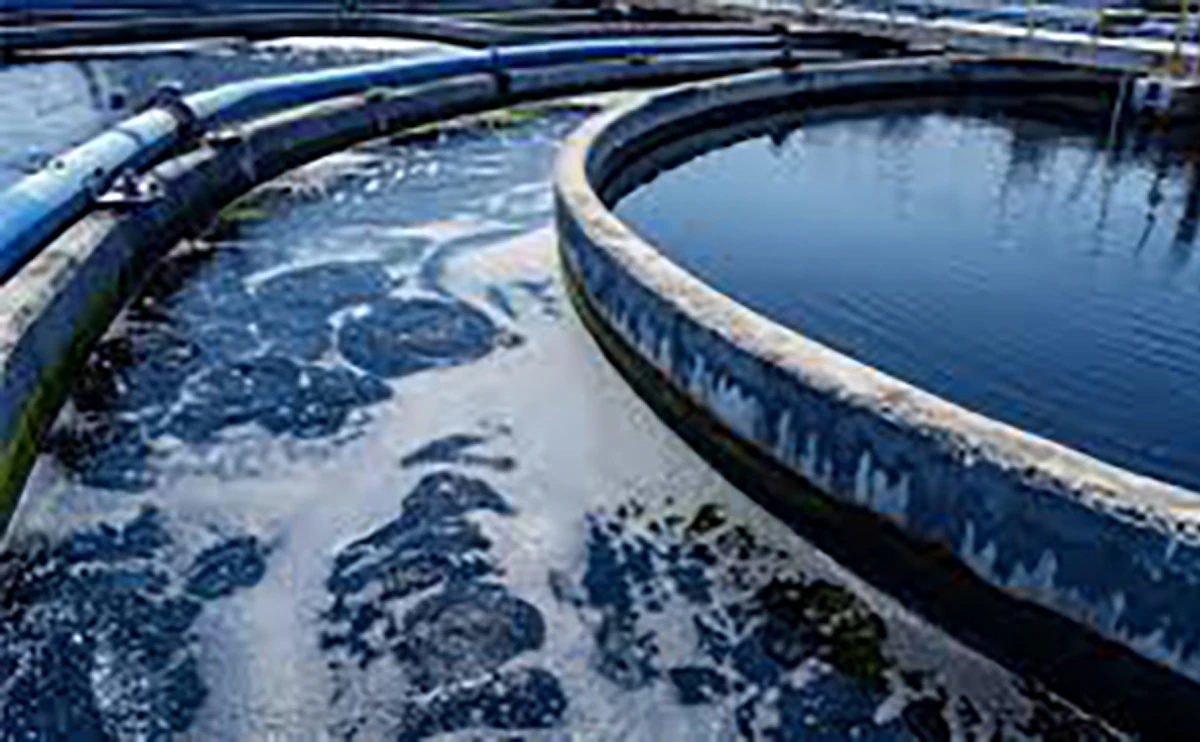
Industrial water refers to water that has been treated and prepared for use in industrial processes, with its physical, chemical, or microbiological properties adjusted to meet the specific requirements of each industry. Unlike drinking water, which is primarily evaluated based on health and safety criteria for human consumption, industrial water must possess characteristics that prevent operational issues and premature equipment wear.
The following are some types of industrial water:
**Ultrapure Water (UPW)**
Water with the highest level of purity, free from any ions, suspended particles, bacteria, organic substances, and dissolved gases. This type of water is specifically used in highly sensitive industries such as semiconductor manufacturing, advanced electronics, pharmaceuticals, and precision laboratories.
**Deionized Water (DI Water)**
Deionized water is water from which all dissolved ions, including both cations and anions, have been removed. This type of water is used in sensitive applications such as high-pressure boilers, pharmaceutical industries, and cosmetics manufacturing.
**Boiler Feed Water**
Boiler feed water must be alkaline and non-acidic to avoid damaging pipes. It should also contain minimal impurities and dissolved salts to prevent scale formation. The proper functioning of steam boilers depends entirely on water quality.
**Cooling Water**
Cooling water is used in industries to absorb and transfer heat from equipment and industrial processes, keeping their temperature within a desired range. It is commonly used in systems such as cooling towers, chillers, and heat exchangers. The quality of cooling water is very important, as impurities can lead to scaling, corrosion, and microbial growth, which reduce system efficiency and increase maintenance costs.
The quality of water used in industry may vary depending on the type of application, equipment, process sensitivity, and even regional climate conditions. Therefore, industrial water quality standards are defined based on parameters such as hardness, total dissolved solids (TDS), pH, heavy metals, and microbial load. Adhering to these standards leads to longer equipment lifespan, reduced maintenance costs, and ensures the quality of the final product.


Related Posts
The Role of Economy in Water

The Role of Economy in Water
Water, as one of the most vital natural resources, is closely linked ...
Industrial RO Plant Maintenance
Industrial RO Plant Maintenance
A Practical Guide to Maximizing Uptime and Efficiency
For manufac...
How to Extend the Lifespan of Your RO membrane maintenance
How to Extend the Lifespan of Your RO membrane maintenance: A Practical Maintenance Guide
...
RO Membrane Filter in Dubai UAE
RO Membrane Filter in Dubai UAE: The Complete Buying, Installation and Maintenance Guide (2026)
Du...

Producing Drinking Water with Solar Energy
Producing Drinking Water with Solar Energy; The Green Technology of the 21st Century
Producing D...
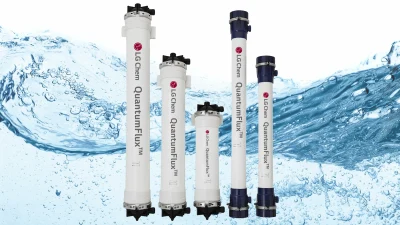
LG Membranes
Industrial LG membranes are primarily sold under the LG Water Solutions brand, which is part of LG ...
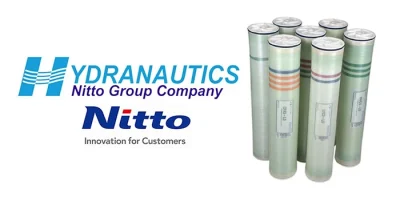
Nitto Hydronautic
Nitto Hydronautic membranes are advanced separation membranes widely used in water purification and...
Antiscalants
Antiscalants are specialty chemicals used in water treatment systems to prevent the formation and d...
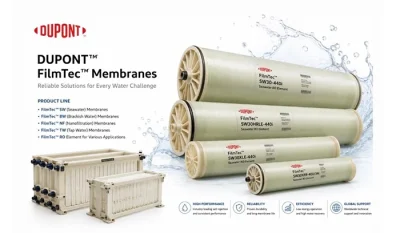
DuPont filter membranes
DuPont filter membranes are used across a wide range of water treatment, industrial, and separation...
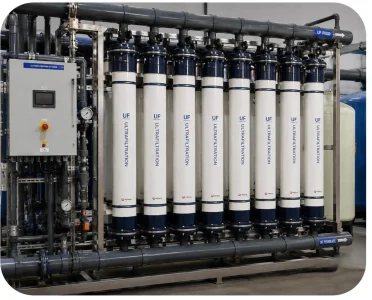
Ultrafiltration in Emirate / Dubai
Ultrafiltration (UF) ( Ultrafiltration in Emirate / Dubai ) filters are membrane-based filtration s...
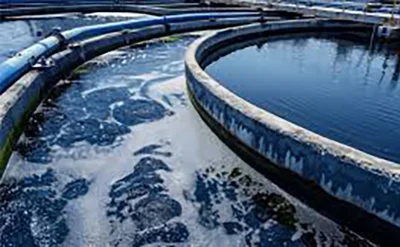
Quality and Standards of Industrial Water
Industrial water refers to water that has been treated and prepared for use in industrial proc...
What is a pressure vessel and what does it do?
What is a pressure vessel? In industrial and semi-industrial water purification devices, reverse os...