Drinking Water Pollution and the Importance of Purification
As you know, water covers more than three-quarters of the Earth’s surface. Approximately 97.2% of the planet’s water is contained in oceans and seas, while only about 2.8% is potable. A significant portion of the Earth’s surface water exists in polar regions, glaciers, atmospheric moisture, and soil, making it practically inaccessible. Only 0.62% of the water flows in rivers or is stored in freshwater lakes and underground sources, from which humans draw their drinking water.
Today, these limited accessible freshwater resources are exposed to various microbial and chemical pollutants. Numerous contaminants from industrial wastewater and chemical fertilizers pose serious threats to vital human water sources.
-
Industrial Waste and Pollution (Water Pollution)
Unfortunately, with the development of modern civilization and industrialization, industrial wastewater introduces toxic substances, including heavy metals and other harmful pollutants, into accessible freshwater resources. These include free acidity, alkaline substances, toxic gases, radioactive materials, pathogenic microorganisms, fats, oils, and more. Such contaminants pose significant health risks.
-
Detergents and Chemical Pollution
Detergents, which have become widespread in our era, significantly contribute to groundwater pollution. Their carbon-ring molecules (hydrocarbons), which are difficult to decompose, enter the groundwater through wastewater wells, creating chemical pollution. Despite all efforts, currently, only 25% of detergents degrade under normal conditions, leaving 75% non-degradable. The intact carbon-ring molecules persist, exacerbating chemical contamination.
3. Chlorination in Water Treatment
To combat pollution, drinking water treatment plants add chlorine, the cheapest and most accessible antioxidant, to kill microbes and viruses under specific conditions (though not entirely). However, when chlorine is used for disinfection, it reacts with organic materials like humic acid to form trihalomethanes (THMs) or haloforms. The main THMs include chloroform (CHCl₃), bromodichloromethane (CHBrCl₂), dibromochloromethane (CHBr₂Cl), and bromoform (CHBr₃). Evidence suggests these compounds are carcinogenic and significantly harmful to human health. Traditional water purification methods fail to remove such compounds completely, and residual chlorine also poses health risks. Furthermore, primary treatment methods are largely ineffective against chemical pollution and dissolved elements in water. Harmful metals and salts continue to enter the human body through drinking water, causing destructive effects.
4. Impact of Harmful Salts and Metals
Water containing dissolved harmful salts and metals, measured by Electrical Conductivity (EC) and Total Dissolved Solids (TDS), disrupts cellular metabolism and nutrient/oxygen delivery to body tissues. This disruption manifests as fatigue, skin problems, muscle weakness, headaches, and more. Waste materials from water can accumulate in blood vessels, leading to atherosclerosis, high blood pressure, reduced kidney efficiency, decreased beneficial gland secretions, and ultimately heart attacks, strokes, and other severe complications.
5. The Role of Water in Human Health
The human body comprises 66% to 85% water, with blood containing 79%. Healthy water must fulfill essential functions to maintain an active and healthy life. Cellular metabolism largely depends on water, which continuously nourishes cells and tissues with nutrients and removes their waste. When water molecules are saturated with impurities, this ability diminishes, leading to various health issues.
6. Efforts Toward Clean Drinking Water (Water Pollution)
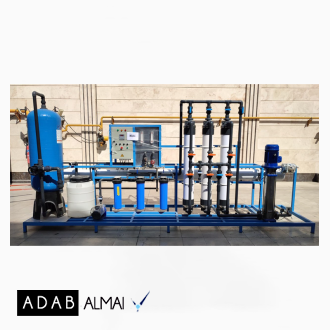
In 1999, the attention of water purification groups was drawn to the health hazards posed by polluted water. To prevent diseases and raise public awareness, they initiated efforts to address these issues. Widespread use of reverse osmosis (RO) systems is one outcome of these efforts. RO systems use the natural principle of osmosis to filter contaminated water through a specialized membrane, transforming it into clean, safe water that meets WHO standards. These systems separate pure, unsaturated water molecules from saturated ones, removing microorganisms (0.03 to 3 microns), heavy metals, and harmful salts as wastewater, leaving only potable, reliable water.
Contact us or click + for products